

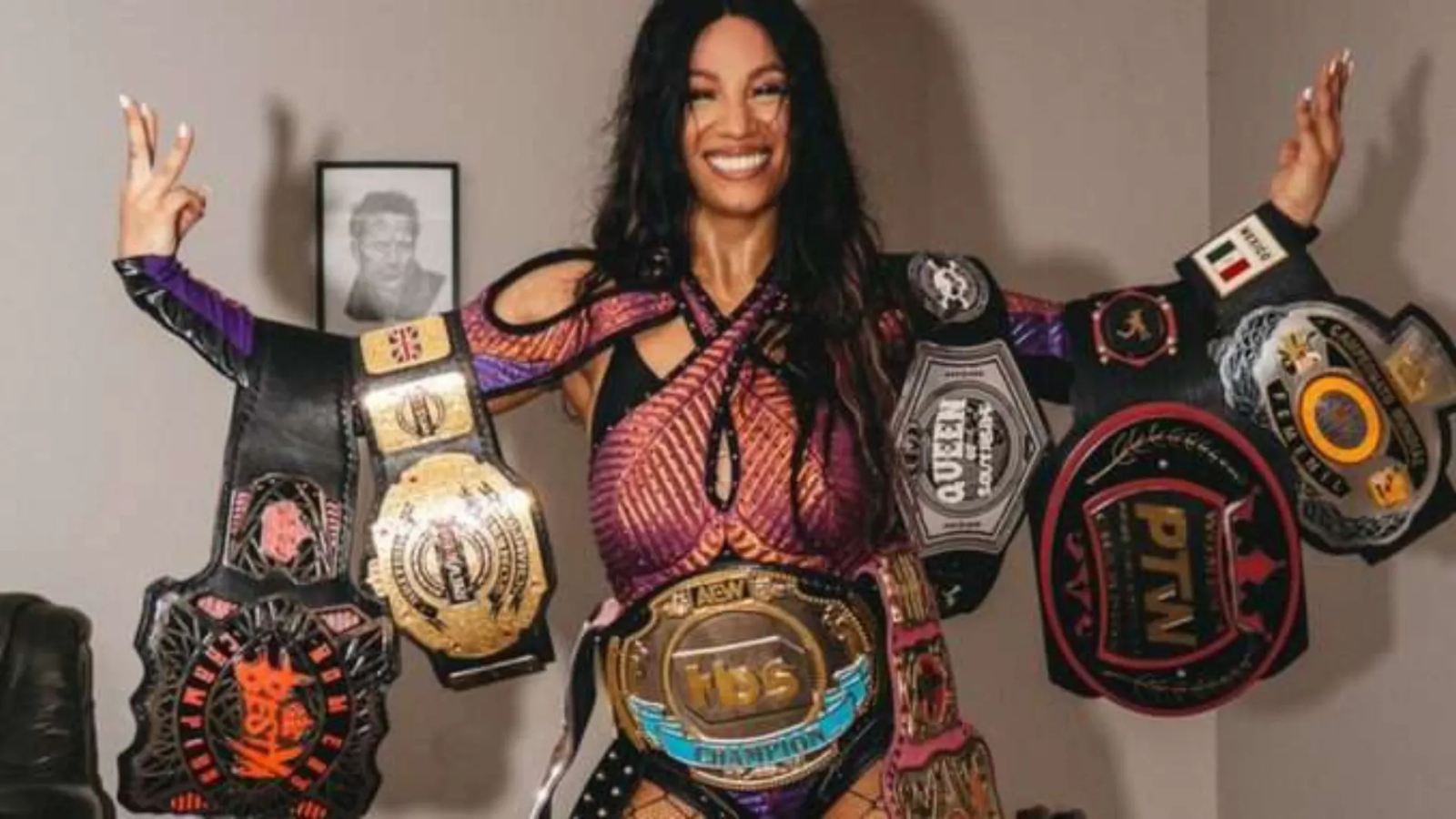
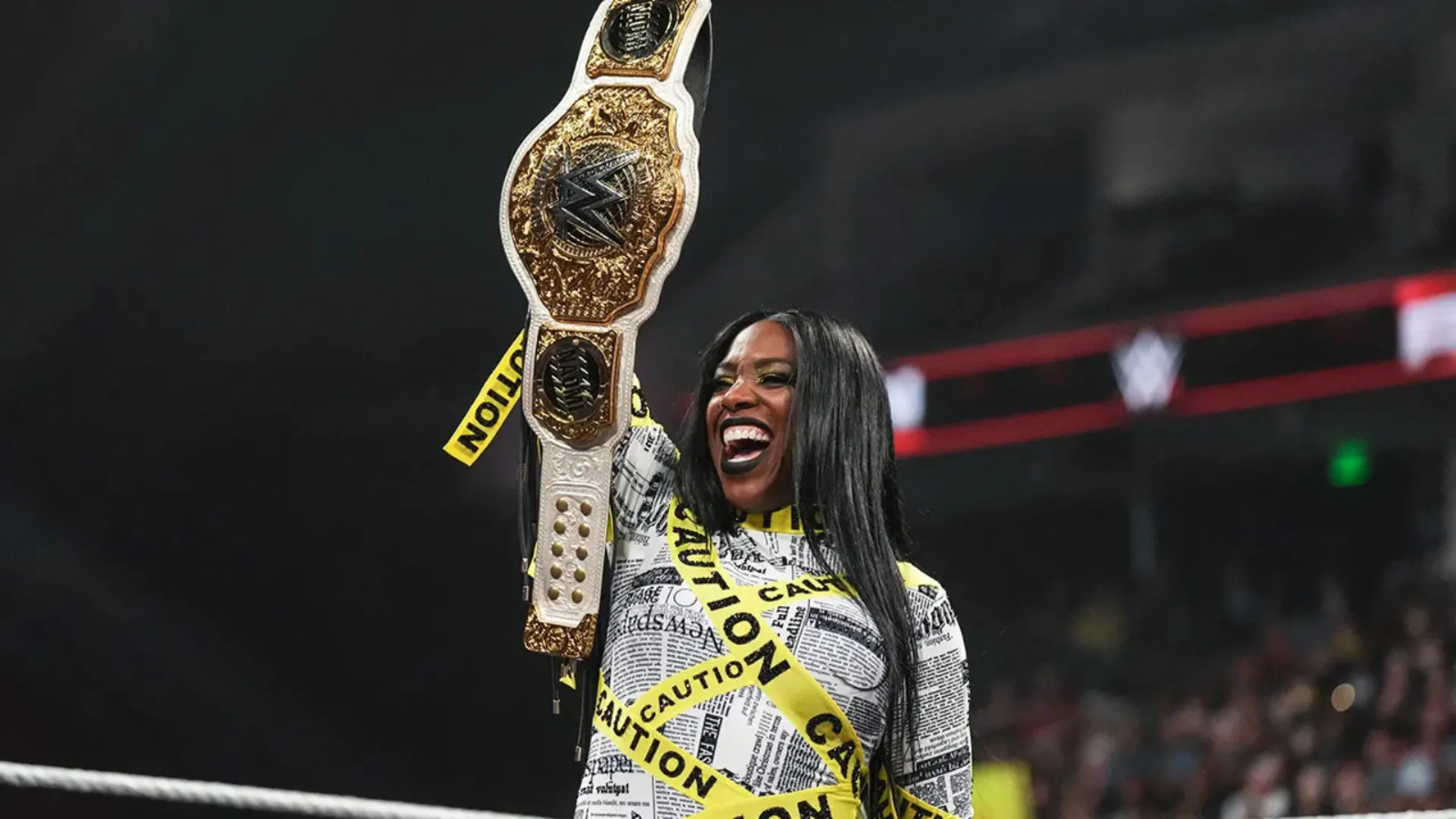
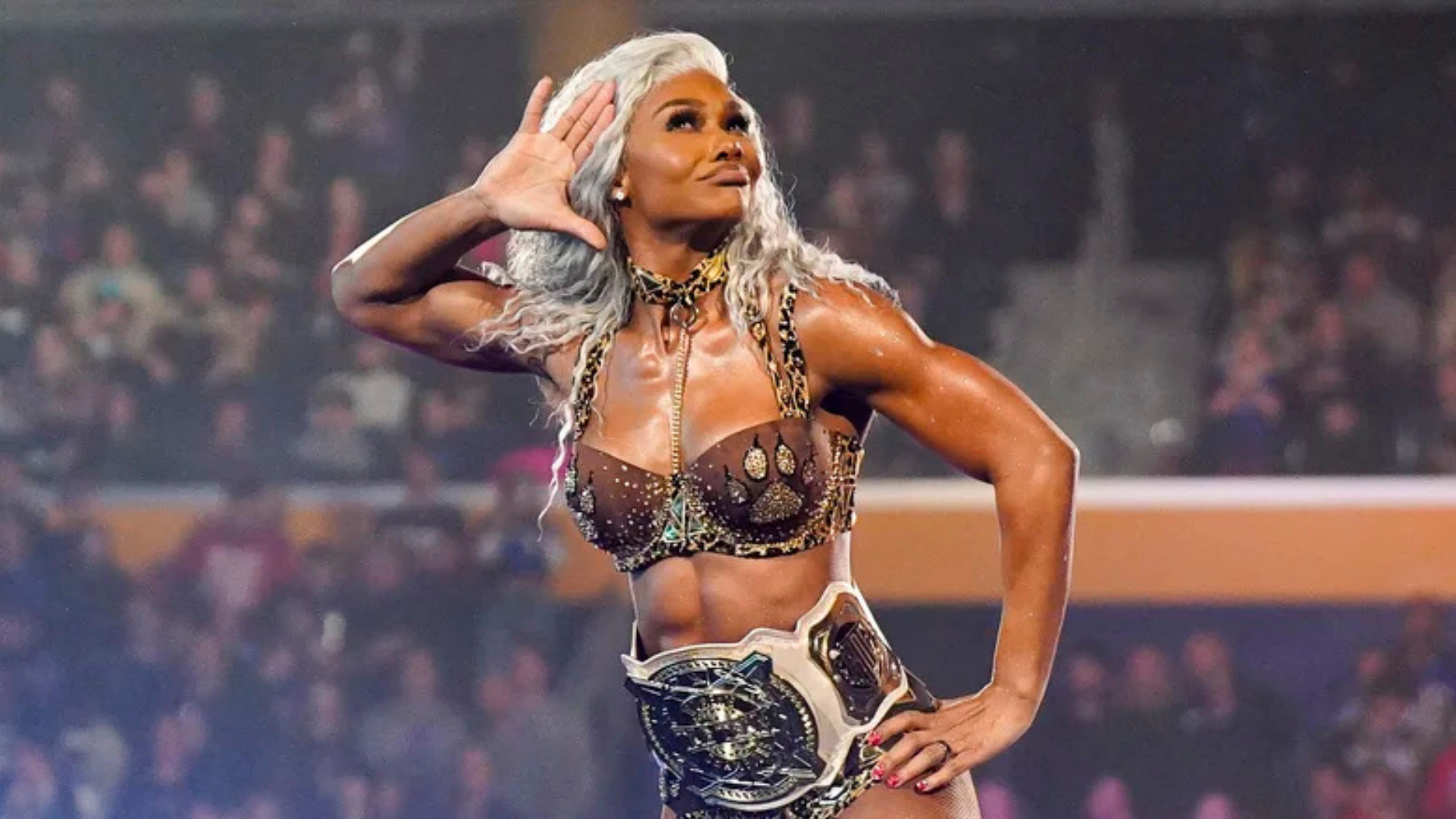
Mercedes Moné courtesy of @mercedesmone on Instagram
The following content reflects my personal opinion and should be interpreted as such. Any views expressed here are solely mine and do not represent any official stance. This opinion piece is intended for entertainment and discussion purposes only, and should not be construed as factual information or professional advice. Reader discretion is advised.
We’ve watched a lot of Black wrestlers change the game. Very few have changed the business. However, Mercedes Moné did both — and did it on her own terms.
Long before the name Mercedes Moné echoed across multiple promotions and continents, she entered WWE as Sasha Banks and immediately disrupted expectations. She was presented as a prototype, the blueprint, despite not looking like what the industry had historically centered.
Her resume inside WWE speaks plainly. Multiple-time Women’s Champion. NXT Women’s Champion. One-half of the first Black women to main event WrestleMania — a moment that didn’t just make history, but set a standard for other Black women wrestlers. A declaration that Black women belonged at the center of wrestling’s biggest stages, not as exceptions, but as equals.
When Mercedes left WWE in 2022, her decision was branded a risk. In reality, it was self-belief weaponized.
Her post-WWE run became one of the most influential independent and international stretches any modern wrestler has ever had. In New Japan Pro-Wrestling and STARDOM, she didn’t arrive as a guest — she arrived as a star. She captured the IWGP Women’s Championship, immediately validating her global importance.
In AEW, Moné didn’t just debut — she shifted the Earth’s axis. She became AEW TBS Champion, positioning herself as both a ratings mover and a standard-bearer for women’s wrestling at its highest level. Her matches felt intentional. Her rivalries, personal. And her presence elevated everyone orbiting her.
Over the course of 2025, Moné accomplished something the modern wrestling landscape had not witnessed in over three decades. Competing across promotions and continents, she accumulated and held 14 championship belts simultaneously, surpassing a benchmark that had stood since Último Dragón’s historic multi-title run from December 1996 to January 1997. The feat cemented Moné’s status as one of the most decorated and dominant wrestlers of her era. That legendary run reached a turning point when she dropped the AEW TBS Championship to Willow Nightingale, ending a 584-day reign that symbolized not just longevity, but excellence at the highest level.
Culturally, Mercedes represents something deeper. She is the embodiment of Black creative autonomy in wrestling — a woman who bet on herself, expanded her platform, and forced the industry to meet her where she stood. She moved from wrestling rings to red carpets, from pay-per-views to mainstream visibility, without ever shrinking herself to fit expectations.
Mercedes Moné didn’t just open doors.
She walked through them first, held them open, and rewrote the rules on who gets to decide their own legacy. Trailblazer isn’t a phase for her. It’s the foundation.








Leave a Reply