

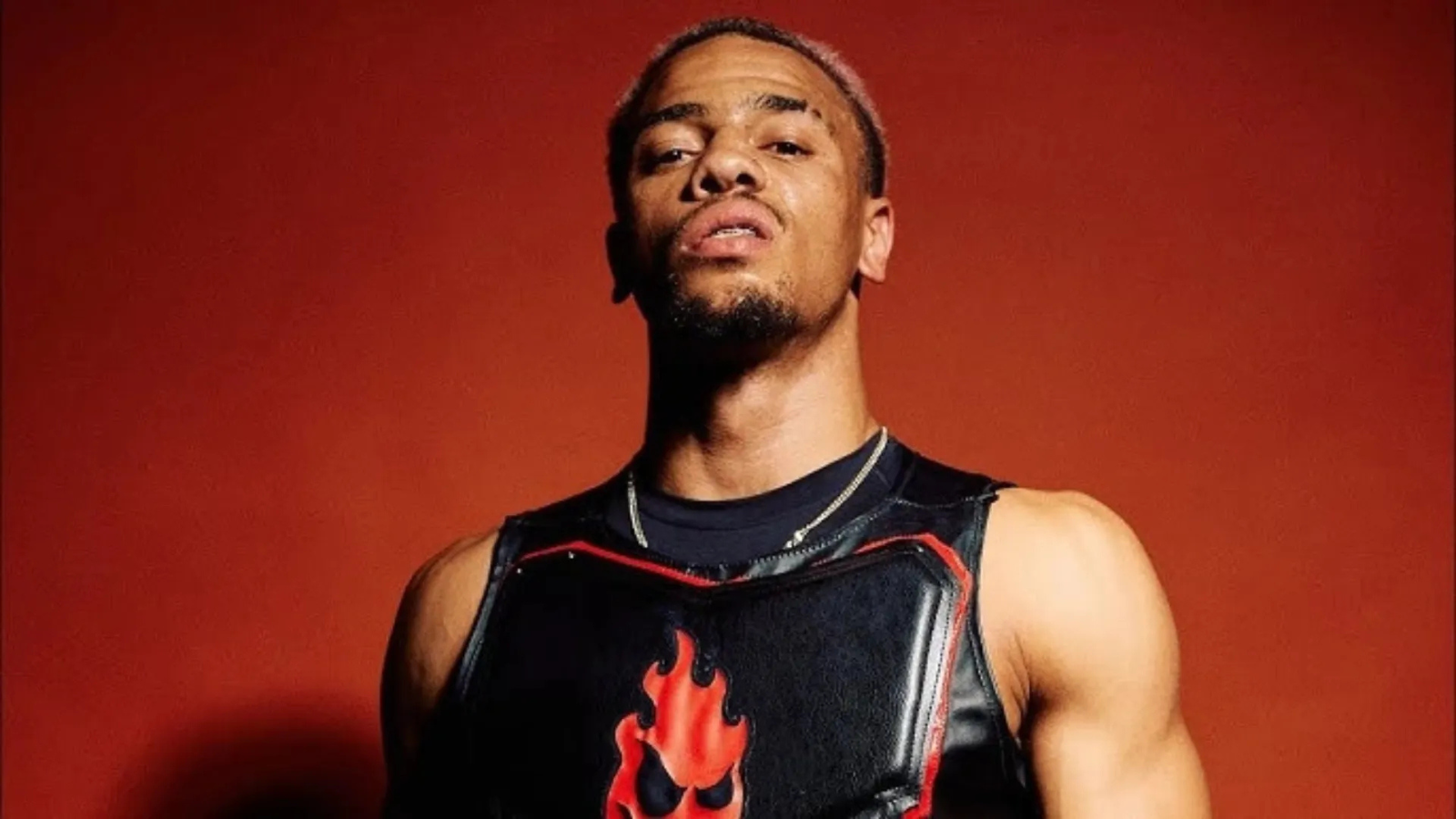
Myron Reed
The following content reflects my personal opinion and should be interpreted as such. Any views expressed here are solely mine and do not represent any official stance. This opinion piece is intended for entertainment and discussion purposes only, and should not be construed as factual information or professional advice. Reader discretion is advised.
There are performers who work in wrestling, and then there are performers who transform how wrestling feels. Myron Reed belongs undeniably in the latter category.
From the moment Reed broke onto the scene, you could sense an artist at work. He didn’t simply wrestle — he challenged wrestling orthodoxy. He took the high‑risk, high‑impact style that had captivated fans in places like Ring of Honor and expanded its emotional range, infusing it with a sense of purpose rooted in identity, community, and defiance.
Reed’s most visible rise came in Major League Wrestling (MLW). There, he became a three‑time MLW World Middleweight Champion, a reign of excellence that showed he wasn’t simply a highlight reel — he was a champion whose matches carried narrative weight, thematic depth, and athletic ingenuity (MLW Title History). Along the way, he helped redefine what a middleweight title meant in modern wrestling: not a secondary belt, but a platform for some of the most competitive and technically thrilling matches in the company.
But to focus only on titles is to miss the heartbeat of Reed’s impact.
As a Black wrestler, Myron Reed’s cultural significance extends beyond wins and losses into representation and inspiration. Growing up in Kansas City and rising through the indie ranks, he became a figure for young Black fans who rarely saw themselves reflected in the kinds of dynamic, boundary‑pushing roles he embodied. Reed wasn’t just athletic — he was articulate, stylish, expressive, and unapologetically himself, proving that strength in wrestling can coexist with vulnerability and authenticity.
What set Reed apart was the way he spoke through his work — not just in promos, but in match psychology. His style fused aerial brilliance with a cerebral command of space. He understood timing not just as a wrestling concept, but as a narrative force. Every match felt like a conversation between him and the audience, with every dropkick and springboard move asking a question and demanding a response.
And then there was his role in Injustice, a faction he helped lead that gave voice to frustration, ambition, and resistance in wrestling storylines. Reed and his partners confronted the status quo — not just as characters in a script, but as reflections of real‑world desire for fairness, respect, and acknowledgment.
In an industry that too often promotes flash over substance, Myron Reed proved you can have both. A champion in every sense, he made his wrestling feel important — not just entertaining.
Reed didn’t just win titles.
He expanded what it means to be a champion.







Leave a Reply